
What are you looking for?

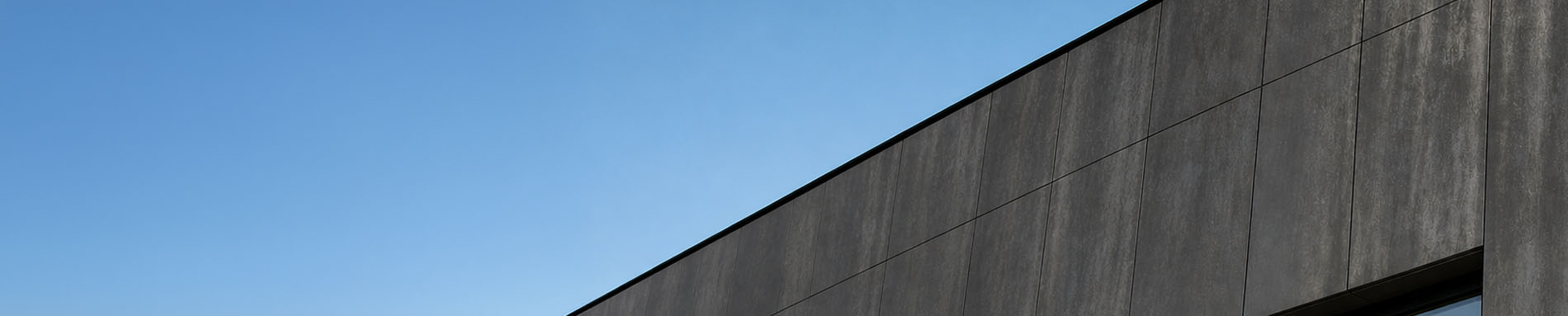
A facade should not only look good today, but also in 5, 10, or even 20 years. In practice, however, some facade cladding tends to fade, lose its luster, or lose its appeal over time.
The cause? In most cases, it stems from a combination of UV radiation, the composition of the material, and the quality of the pigments used.
UV radiation is one of the biggest factors affecting outdoor applications. Day after day, a building facade is exposed to sunlight, which eventually leads to the breakdown of color pigments.
With lower-quality materials, this can result in:
The more resistant a material is to UV radiation, the longer it retains its original color and appearance.
A less obvious but crucial aspect is the type of pigment used in the top layer of siding panels.
Organic pigments
Inorganic pigments
The choice of pigments therefore has a direct impact on how a facade looks after a few years.
In addition to pigments, the protective layer also plays an important role.
High-quality HPL facade panels often feature an additional protective top layer, such as one made of PMMA (polymethyl methacrylate). This layer acts as a barrier against UV radiation and other external factors.
The result:
For architects, contractors, and building owners, this means that not all facade panels are the same, even if they look identical when installed.
The difference only becomes apparent after a few years:
Careful consideration of materials at the start of the project helps prevent long-term disappointments.
Wondering what other factors affect the lifespan of siding? Be sure to read our article on the durability and construction of HPL siding panels.
When selecting siding, it is important to look beyond just its appearance or price.
Please note the following, among other things:
Together, these factors determine the lifespan and aesthetic appearance of the facade.
Within the BossCover , Clado HPL meets these requirements. Thanks to the combination of a compact structure and a protective top layer, the panels are resistant to UV radiation, moisture, and heavy use.
This ensures that not only the technical performance is maintained, but also the appearance of the facade, year after year.